
Perspectives
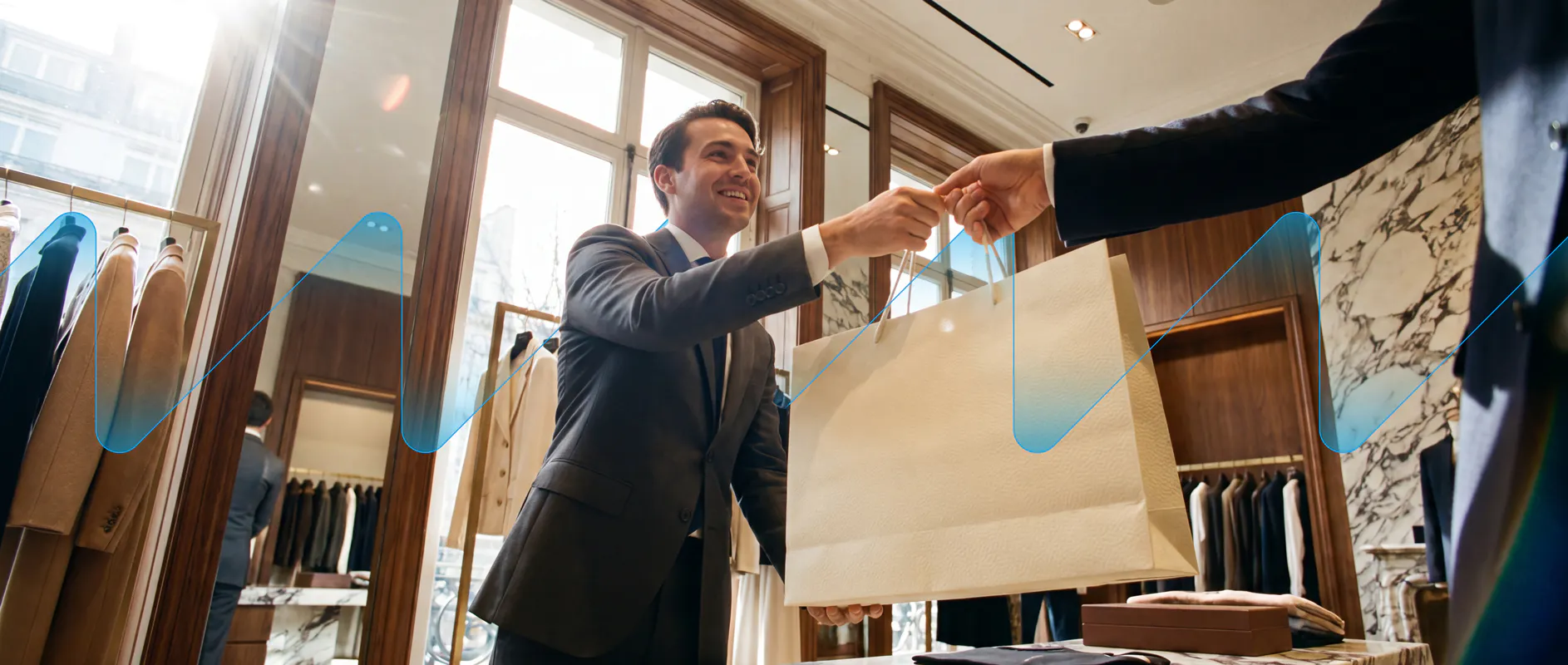
Bringing brands to life: What makes a store feel like the brand? Patricia Soria & Lisa Holmes explain
Insights at a glance
FM has moved from reactive to strategic. Retail facilities management is no longer just about fixing problems — it's a strategic function shaping brand consistency, commercial performance and long-term growth across complex estates.
FM is the "invisible" enabler of brand experience. Lighting, cleanliness, safety and store condition all shape how customers feel about a brand within seconds.
Consistency at scale requires strong governance and data. For retailers with large, multi-country portfolios, delivering the same standard everywhere depends on trusted supplier partnerships, clear processes and — critically — information, not just raw data, to keep decisions sharp.
Agility will define the next wave of retail winners. The retailers who thrive will be the ones who spot trends early and adapt physical environments quickly, blending digital and physical experiences seamlessly.
Physical space is now a competitive differentiator, not just a transaction point. As online shopping grows, stores must earn visits by delivering real experiences, meaning FM has a direct role in commercial performance, not just operations
Retail Facilities Management insights from Patricia Soria, Regional Director UK & Europe, and Lisa Holmes, Operations Director, Macro
Behind every successful store opening, consistent brand moment and seamless customer journey is a facilities management function working quietly in the background to keep stores safe, welcoming, efficient and aligned with the brand promise.
As retailers navigate rising customer expectations, growing sustainability requirements, operational cost pressures and increasingly complex estates, facilities management is playing a more strategic role in shaping brand experience and business performance.
Ahead of Macro’s upcoming retail event, Bringing the Brand to Life, we spoke with Patricia Soria, Regional Director UK & Europe, and Lisa Holmes, Operations Director, about the trends reshaping retail FM, the role of FM in creating customer experiences and what retail leaders should be focusing on next.
Retail FM is no longer just about operations
Retail is facing significant change. What do you see as the biggest challenges and opportunities for retail FM today?
Retail facilities management is evolving rapidly. While maintaining safe, compliant and operational environments remains essential, retailers increasingly expect FM teams to contribute to wider business objectives.
Retailers are balancing cost pressures, rising customer expectations, store performance and the need to maintain consistency across large and often international portfolios. At the same time, retailers need to balance service quality and increasing sustainability and ESG requirements.
Patricia believes this presents both a challenge and an opportunity.
"The opportunity is to use technology, data and smarter ways of working to improve efficiency while adapting stores to changing customer behaviours"
This shift is redefining the role of FM in retail. It is no longer viewed purely as a reactive function that responds when something goes wrong. Increasingly, FM supports store operations, brand consistency, commercial performance and long-term growth across complex estates.
Technology, data and smarter ways of working are helping retailers improve efficiency while maintaining high service standards. As a result, facilities management is increasingly being recognised as a strategic function that supports brand value, customer satisfaction and operational resilience.
“Retail FM is facing the challenge of doing more with less while maintaining consistent standards across increasingly complex portfolios. Customer expectations are higher than ever, and FM plays a major role in the in-store experience, from cleanliness and comfort to maintenance, safety and overall presentation"
Patricia Soria, Regional Director UK & Europe, Macro
The Hidden Driver of Brand Experience
When people think about retail brand experience, they often think about marketing, merchandising and store design. How does facilities management contribute?
When businesses think about brand experience, the focus often falls on marketing campaigns, merchandising strategies and store design. Yet every customer interaction is also shaped by the physical environment.
Lighting, temperature, cleanliness, maintenance, safety, accessibility and overall ambience all influence how customers experience a brand. In retail, these details can determine whether a store feels premium, welcoming, efficient, inspiring or frustrating. A store that's too hot, a broken elevator, or simply how the store feels when people walk in all impact the experience of that brand within seconds.
This is why FM plays such a defining role in bringing retail brands to life. Great retail experiences are delivered through hundreds of operational decisions that ensure stores are safe, welcoming, efficient and consistently aligned with the brand promise.
Customers may not consciously notice excellent facilities management, but they quickly notice when something does not meet expectations. A poorly maintained store, faulty equipment or inconsistent environment can undermine a carefully crafted brand experience. Conversely, a comfortable, reliable and well-maintained environment reinforces trust, confidence and customer satisfaction.
Ultimately, great FM should be almost invisible – but its impact on the customer experience is significant.
“Facilities management is really the enabler behind the brand experience. Marketing and store design can create the promise, but facilities management helps make sure that promise is delivered every day. The physical environment remains one of the most powerful expressions of a retail brand”
Patricia Soria, Regional Director UK & Europe, Macro
Consistency across complex retail portfolios
What separates retailers that consistently deliver great customer experiences from those that struggle?
For retailers operating across multiple locations, regions or countries, maintaining consistent standards can be a significant challenge. From flagship environments and shopping centres to fast-paced rollouts and multi-country store portfolios, FM helps ensure every location delivers the same level of experience, reliability and operational quality.
According to Lisa, success starts with strong governance, effective communication and trusted supplier partnerships across the retail portfolio. We asked Lisa what separates retailers delivering class leading customer experience from those that struggle.
"I believe it’s the agility of the business to meet the changing demands of the customer. For that to work, there is a need for a solid working relationship with the FM provider and suppliers, and for regular reviews to discuss the challenges potentially coming. That has to sit alongside data as without that, decisions are flawed.
The ability to have information (rather than just data) enables a client to ensure their PPM works for their business, particularly in an ever changing climate"
Lisa Holmes, Operations Director, Macro
As portfolios grow in scale and complexity, organisations need clear processes that ensure the right people receive the right information at the right time. Consistency is critical not only for compliance but also for protecting brand reputation.
Lisa adds "Brand consistency is key to sales, and that has to sit alongside supplier management which is for the FM organisation to achieve continuously. Data and communication underpins this"
This reflects one of the key themes of Macro’s retail event: how data, technology and stronger operational visibility can help retailers improve store performance, manage maintenance and asset lifecycles, and make smarter decisions across their estates.
The combination of governance, supplier management, information-led decision making and lessons learned helps retailers deliver consistency while remaining agile enough to respond to changing business needs.
Agility Will Shape the Future of Retail
Looking ahead, what trends do you believe will have the greatest impact on retail environments over the next few years?
Looking ahead, both Patricia and Lisa believe adaptability will become one of the defining characteristics of successful retailers.
Consumer expectations continue to evolve, and organisations must be able to identify trends early, respond quickly and adapt their environments accordingly. Physical stores remain a vital showcase for brands and products, but customer expectations increasingly extend beyond the store itself.
Retailers must create more seamless connections between physical and digital channels while ensuring stores continue to offer something distinctive, memorable and worth visiting.
Employee experience will also remain high on the agenda. Stores are not only customer environments. They are workplaces, and the quality of those environments directly affects the people delivering the customer experience.
The ability to combine operational excellence, customer experience, employee experience, sustainability and data-led decision making will become increasingly important as retailers navigate future challenges.
This is also where FM has the opportunity to move further upstream, helping retailers balance speed, cost, safety and sustainability while supporting growth and improving operational reliability
Why Bringing the Brand to Life Matters Now
Macro's September Retail Event focuses on "Bringing the Brand to Life." Why is this such an important conversation right now?
The theme of Macro’s September retail event, Bringing the Brand to Life, reflects a challenge faced by retailers across the sector.
As online shopping continues to offer convenience and choice, physical stores must provide experiences that customers cannot get elsewhere. Stores are no longer simply places to transact. They are destinations that bring brands, products and experiences together.
Patricia comments:
“With the convenience of online shopping, customers need more reasons to visit a store. It needs to become a destination and an experience, not simply a transaction. That means every part of the physical environment needs to reinforce the brand and what it stands for. And FM has a key role in making sure that experience is delivered consistently, every day and across every location”
Every aspect of the physical environment contributes to that experience. From presentation and maintenance to safety, sustainability, store openings, asset lifecycles and operational resilience, facilities management helps transform brand promises into day-to-day reality.
“Every brand invests heavily in the promises it makes to customers. The question is whether the physical environment delivers on those promises every day, across every store.” adds Lisa.
That question sits at the heart of the event. How can retailers ensure their physical environments consistently reflect the brand? How can FM support commercial performance and customer experience at scale? And how can retail leaders use data, partnerships and operational insight to create more resilient, efficient and engaging estates?
Join the Conversation
On Thursday 24 September 2026, Macro will bring together retail real estate, FM and operations leaders in London for a Retail FM focused event.
The event will explore how facilities management is evolving from a support service into a strategic driver of brand consistency, performance and growth. Attendees will hear real-world perspectives from leading brands including LEGO Group, Levi Strauss & Co. and Superdry, with discussions covering store operations, brand experience, data, technology, sustainability, maintenance and lifecycle management.
For retail leaders looking to strengthen operational performance, improve consistency across complex estates and create customer experiences that truly reflect their brand, this is a timely conversation.
Register for the event
Bringing the Brand to Life | Retail London Event by Macro
Date: Thursday 24 September 2026
Time: 17:00 to 19:30
Location: Office Space in Town, 46 New Broad Street, London EC2M 1JH
More perspectives

IFMA World Workplace 2026: Macro to Join Key Conversations Shaping the Future of Facilities Management
Macro is proud to be attending IFMA World Workplace 2026, taking place in Anaheim, California, from 18-20 November.
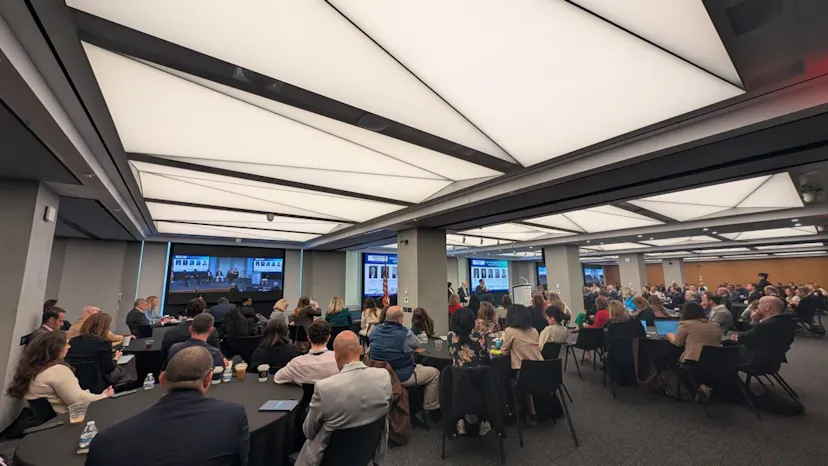
Invisible Until It Isn’t: What WORKTECH26 New York Taught Us About the Frictionless Workplace
Takeaways from WORKTECH26 New York: Macro on FM and the fight for a frictionless workplace, magnets not mandates, and people-first workplace design.

What is CAFM?
CAFM stands for Computer-Aided Facility Management. At its core, it's FM management software designed to plan, manage, and maintain physical spaces, assets, and operations from a single platform.

Bringing the Brand to Life: Key Takeaways from Macro's Retail FM Event in London
Macro welcomed more than 70 retail property, facilities management and workplace leaders to London for a Retail FM event exploring the role of FM in bringing brand's to life through in-store retail experiences
What is SLA in facilities management?
Learn what an SLA in facilities management is, with examples of SLA maintenance and property maintenance agreements that set clear service standards.
Why Great FM Strategies Fail During Execution: Amanda Muzzarelli Joins IFMA's Connected FM Podcast
Macro's Amanda Muzzarelli joins IFMA's Connected FM podcast to discuss institutional knowledge, psychological safety and leading FM teams through execution.