
Perspectives

What does PPM mean in facilities management?
Author: Ross Penzer, Associate Director
Every organisation needs a way to make sure their equipment and facilities are running smoothly. When a company’s assets fail unexpectedly, the impact can range from costly downtime to compliance risks. To avoid these issues, many businesses use Planned Preventive Maintenance (PPM), a proactive way to prevent asset damage and failures from occurring.
But exactly what is Planned Preventive Maintenance? And what is PPM in facilities management specifically? In simple terms, PPM is regular maintenance of physical assets based on manufacturer advice, how much the asset is used, the environment it is installed in or what the law requires.
As the name suggests, this kind of maintenance aims to prevent damage from occurring rather than fix it once it has already happened – unlike reactive maintenance, which responds only after failures occur. This makes PPM a key part of facilities management, supporting operational continuity and creating safer, more reliable environments. It also strengthens compliance, sustainability performance, and long-term cost control.
This guide delves into how PPM works, its benefits, and how this maintenance is used within facilities management strategies.
What this guide covers
The following guide introduces the key components of Planned Preventive Maintenance (PPM), including what it means, as well as its core principles and the benefits. We’ll explain how PPM differs from reactive maintenance while discussing its role in compliance, safety, and sustainability. You’ll also learn how technology and FM software like fm24 streamline the scheduling and tracking of PPM activities.
What is Planned Preventive Maintenance (PPM)?
Planned preventive maintenance can help identify and prevent technical or structural problems before they happen. Maintenance is carried out on a business’s assets, which can range from anything from air conditioning units, electrical systems, the building structure, life safety and plumbing systems to vehicles and machinery. These assets are thoroughly serviced at planned intervals to spot any issues and resolve them, preventing failures from occurring entirely.
These routine checks are usually based on specific manufacturer guidelines, usage levels, or statutory requirements. PPM is a core part of modern facilities management, helping keep operations running smoothly and ensuring legal compliance. It contributes to both hard FM (asset and building systems) and soft FM (safety, comfort, and hygiene) outcomes, making this an important factor to consider for any organisation.
Key components of Planned Preventive Maintenance
To help you better understand PPM programmes, let's look at a few of the fundamental elements they’re built around:
- Scheduled activities: PPM revolves around maintenance checks that are planned in advance, based on set time intervals or usage milestones. For example, routine monthly inspections will be carried out or after a certain number of operating hours.
- Proactive strategy: PPM identifies and resolves minor issues early, preventing them from turning into potentially costly and time-consuming failures.
- Asset condition based maintenance links maintenance schedules to asset records using trend analysis, providing insight into performance within the context of the environment and lifecycle stage, ultimately driving the extension of the asset's lifespan.
- Documentation and accountability: Every maintenance activity is recorded, checked, and traceable, ensuring transparency and compliance.
- Continuous improvement: Ongoing review of performance data helps fine-tune schedules and extend the life of assets.
PPM vs reactive maintenance
Planned Preventive Maintenance (PPM) and reactive maintenance take fundamentally different approaches to asset care. The following features highlight the key differences between to two approaches:
- Timing: PPM is conducted before failures occur. For example, an air conditioning system is serviced every six months to prevent breakdowns.
Reactive maintenance, on the other hand, is conducted after faults or breakdowns. If, for example, an air conditioning unit breaks down, an emergency engineer might be called to fix it at a higher cost. - Cost profile: PPM helps to ensure predictable, scheduled costs. For example, a business might pay a fixed annual contract for regular heating system checks.
In contrast, reactive maintenance is unpredictable with often higher emergency costs. A sudden failure of a heating system in the winter months, for example, might call for both expensive emergency repair and higher costs of parts due to urgency. - Asset performance: PPM tends to keep assets running consistently and reliably. A generator, for example, tends to run smoothly over a longer period if it's inspected for maintenance on a quarterly basis.
When maintenance is reactive, performance can decline. In the case of the generator, irregular servicing and inadequate testing could mean it struggles to work effectively during a power outage. - Downtime: With PPM, it's possible to limit the length of asset or system downtime and plan it in advance. Servicing is often planned around operational needs, like lift maintenance scheduled outside working hours.
With reactive maintenance, downtime can be high due to unplanned outages. A lift might become unusable due high-traffic hours, while waiting for an engineer to arrive. Parts required for repair might long lead times or not be readily available, which adds further downtime. - Compliance: PPM ensures assets and systems meet UK standards, like SFG20. It also ensures statutory checks like fire alarm testing are completed on time.
Reactive maintenance can crate a risk of compliance breaches if maintenance is delayed. This is especially true if vital checks are missed or only addressed after failure.
PPM practices and procedures
PPM is built around a structured set of procedures made to keep equipment operating safely, efficiently, and with as little disruption to the business as possible. Here are some of the main practices of PPM:
- Regular equipment inspections: Frequent inspections help identify early signs of wear, loose components, or safety risks before they develop into costly failures or downtime.
- Routine cleaning and lubrication: Cleaning is an important part of equipment maintenance. It ensures that moving parts operate smoothly and reduces the energy needed to run mechanical systems.
- Proactive parts replacement: Identifying parts that are damaged and promptly replacing them prevents breakdowns. Swapping out worn or near-end-of-life components before they fail is an important preventive maintenance measure.
- System calibration: Regular calibration checks for errors and keeps equipment performing within required operational and energy-efficiency parameters.
- Performance testing: Assets are checked against safety requirements and operational standards to confirm they are functioning as intended.
- Compliance law and Insurance Audits: Checks to ensure equipment and maintenance practices meet legal, industry-specific, and insurance requirements.
Together, these activities form the backbone of an effective facilities management programme. By addressing issues early and maintaining optimal performance, PPM helps reduce repair costs, extend equipment lifespan, improve reliability, and ensure a safe environment for those in the building.
The key benefits of PPM in facilities management
Proactive servicing through PPM delivers measurable advantages across cost, reliability, compliance, and sustainability.
Optimised costs. Proactive servicing reduces costly emergency callouts, unplanned downtime, and expensive reactive repairs. Planned maintenance can save up to 30% on lifecycle costs, compared with crisis-driven solutions.
Increased asset reliability. Consistent servicing prevents unexpected breakdowns. Regular HVAC filter replacements, for example, help maintain stable temperature control and improve uptime.
Compliance and safety. PPM ensures safety checks are completed on time, reducing legal risk and strengthening audit readiness. In the case of fire alarms, scheduled testing and documented evidence meet UK requirements such as SFG20 and H&S regulations.
Sustainability and energy savings. Well-maintained systems use less energy and help to support sustainability goals. Efficient chillers and lighting systems, for example, reduce CO₂ output.
Improved user experience. Reliable, comfortable environments enhance productivity. In the summer, for instance, preventing AC failures during peak periods leads to fewer complaints and better productivity.
Extended asset lifespan. Preventive work slows deterioration, deferring the need for costly replacements. Lifts, boilers, and other core systems can exceed specified full replacement intervals when maintained at recommended intervals.
Well-planned PPM helps organisations operate smoothly and safely, even under pressure. By cutting failures, reducing energy use, and extending asset life, it boosts resilience, supports sustainability goals, and keeps long-term costs down. To manage these processes efficiently, many organisations rely on tools like the fm24 Helpdesk to coordinate tasks, monitor compliance, and maintain complete visibility across their buildings and assets.
How PPM is scheduled and managed
PPM is typically organised using time-based or usage-based triggers, ensuring that equipment is serviced at intervals recommended by manufacturers and required by industry or legal standards.
Time-based schedules might involve monthly, quarterly, or annual checks, while usage-based triggers activate maintenance after a defined level of operation, such as the number of hours run or cycles completed.
Modern FM platforms like fm24 streamline this process by allowing teams to automate schedules, assign tasks to the right engineers, and monitor completion in real time.
Adopting digital scheduling brings clear advantages: automated reminders, escalation steps when deadlines slip, and complete audit trails that support compliance and reporting. These features help facilities managers maintain control and visibility across all assets and activities.
Increasingly, smart data from sensors, BMS, IoT devices, and system logs supports condition-based maintenance, which improves maintenance timing, reduces unnecessary servicing, and improves asset reliability and lifespan.
How to implement a successful PPM programme
- Assessment: Begin with a full asset inventory and condition survey to identify, assess, and prioritise every piece of equipment.
- Scheduling: Develop time-based or usage-based maintenance plans, using standards such as SFG20 to ensure best-practice frequencies and legal compliance.
- Customisation: Adapting and customising maintenance schedules and practices based on the asset's location and environmental conditions.
- Standard procedures: Create consistent checklists, safety steps, and task instructions for each asset type so engineers carry out work accurately and uniformly across the estate.
- Training: Provide ongoing training to FM and maintenance teams to ensure they remain compliant and knowledgeable about systems, regulations, and site-specific risks.
- Record-keeping: Maintain detailed logs of all PPM activities to support accurate reporting, simplify audits, and build a clearer understanding of asset behaviour over time.
- Continuous improvement: Use performance data to refine maintenance schedules, adjust task frequency, and optimise resource allocation.
Although these steps are key to a successful PPM programme, remember that these strategies evolve over time, continuously improving safety, compliance, and operational efficiency.
The role of compliance and industry standards
A strong PPM strategy must comply with recognised standards and regulatory requirements. Some of the key compliance points include:
- Follow SFG20 benchmarks: UK facilities managers use SFG20 as the authoritative standard for defining maintenance, specification methods, frequencies, procedures, and minimum compliance requirements.
- Adhere to HSE regulations: At a minimum, maintenance tasks must meet Health & Safety Executive (HSE) guidance, ensuring safe working practices, risk control measures, and statutory checks for systems such as lifting equipment, gas, and electrical installations.
- Meet manufacturer obligations: Servicing intervals, parts requirements, and warranty conditions set by equipment manufacturers form a mandatory part of any compliant PPM plan.
- Maintain accurate records: Detailed logs, certificates of compliance, and task histories – captured through CAFM platforms – ensure smooth audits, simplify insurance renewals, and demonstrate due diligence.
- Enable transparent audit trails: Digital systems should provide time-stamped evidence of work completed, outstanding actions, and compliance status.
Macro supports these requirements by integrating compliance tracking directly into its fm24 platform, giving clients real-time visibility of statutory tasks, documentation, and audit readiness. This ensures that compliance is not just met, but continuously monitored, challenged and easily demonstrated.
How technology supports proactive maintenance
Technology is transforming how facilities teams plan and deliver maintenance. Tools like CAFM systems, IoT sensors, and digital dashboards give real-time insight into asset performance, helping teams move from reactive fixes to truly proactive maintenance. With constant data flowing in, they can detect issues earlier, predict failures, and use resources more efficiently – cutting downtime and reducing unnecessary site visits.
Smart building systems take this even further by linking directly with PPM schedules. Very rarely are two locations the same, so automated condition monitoring (like vibration, temperature, or energy-use tracking) can trigger maintenance only when it’s actually needed, ensuring work happens at the optimal time rather than on fixed intervals.
Our fm24 platform brings all these technological advantages together. With data-driven insights and full mobile access, fm24 lets engineers and managers log tasks, upload evidence, and track progress from anywhere. Real-time dashboards support better decision-making, and integrated workflows make sure every task is verified, compliant, and aligned with organisational goals. This digital ecosystem enables FM teams to deliver maintenance that is more efficient, predictive, and reliable.
How to choose the right maintenance strategy
- Assess asset criticality: Life-safety and business-critical systems (e.g., fire alarms, lifts, HVAC) usually require structured PPM or predictive maintenance to minimise risk.
- Consider asset age and condition: Older or heavily used equipment might need more frequent inspections to maintain reliability.
- Location & Environment: Adjust maintenance schedules based on location and environmental conditions. This includes corrosion prevention for coastal or industrial environments, specific lubricants for temperature extremes, and more frequent inspections in harsh or higher temperature environments to minimize wear and failures.
- Evaluate operational impact: If asset failure would stop production, disrupt services, possible building closure or affect safety, a more proactive strategy is warranted.
- Balance cost and risk tolerance: Organisations must weigh the cost of planned maintenance against the potential consequences of unexpected failures.
- Use data to inform decisions: Historical records, failure patterns, and sensor data help tailor the frequency of maintenance and identify where predictive methods add the most value.
Most organisations combine PPM, condition-based monitoring, and selective reactive maintenance to match the right level of intervention to each asset improving safety, optimising cost, and enhancing overall system performance.
Frequently asked questions (FAQs)
Q1: What’s the difference between PPM and reactive maintenance?
PPM is a proactive, scheduled approach that focuses on preventing faults before they occur, whereas reactive maintenance happens only after something breaks. By addressing risks early, PPM reduces downtime, prevents costly emergency repairs, and improves overall asset reliability and longevity.
Q2: What is time-based maintenance?
Time-based maintenance is carried out at fixed intervals – periodically such as, monthly, quarterly, annually or in line with weather seasonality – regardless of the asset’s condition. It is especially useful for high-criticality equipment where missed checks could compromise safety, compliance, or operational continuity.
Q3: Can maintenance software manage PPM?
Yes. Modern FM platforms such as fm24 can automate PPM scheduling, track work completion, store service records, deliver performance insights and provide trend analysis. This helps organisations maintain compliance, improve planning accuracy, streamline communication with engineering teams and assist with budgetary control.
Q4: How often should PPM be reviewed?
PPM programmes should be reviewed at least once a year to evaluate performance data, cost trends, and task effectiveness. Regular reviews ensure maintenance remains aligned with asset condition, operational needs, and any updated regulatory requirements.
Is PPM right for your organisation?
You may benefit from a structured PPM approach if your organisation:
- Operates multiple buildings or technical systems. Scheduled maintenance helps keep everything consistent and compliant across different sites.
- Experiences frequent reactive maintenance issues. Regular failures often show that assets need more planned servicing.
- Needs to meet health and safety or ESG reporting standards. PPM provides clear records of checks and inspections, making compliance easier to prove.
- Aims to lower long-term maintenance and energy costs. Preventive work lowers the chance of expensive emergency repairs and keeps systems running efficiently.
- Lacks visibility over asset performance or maintenance spend. A structured plan, supported by digital tools, gives better insight and control.
If these points sound familiar, it may be worth reviewing your current FM approach and exploring how Macro’s integrated PPM solutions can help improve reliability, compliance, and overall efficiency.
Planned Preventive Maintenance with Macro
Macro is a trusted global FM partner known for delivering tailored Planned Preventive Maintenance programmes across commercial, corporate, and complex environments. Our approach integrates hard FM delivery, compliance management, and digital innovation to ensure every asset is maintained safely, efficiently, and in line with UK standards. At the centre of this ecosystem is fm24, a single platform that schedules PPM tasks, tracks progress in real time, and provides clear performance insights for better decision-making.
With a focus on cost efficiency, transparency, and operational excellence, we support clients in reducing downtime, improving asset reliability, and maintaining full audit readiness. As part of the ongoing future life cycle requirements, the data also allows us to develop forward-looking asset management plans in line with your estate, including 10-year projections aligned with specific needs and CapEx obligations.
For organisations seeking deeper strategic guidance, our FM consultancy services help shape long-term maintenance strategies that align with business goals and regulatory requirements.
Key takeaways
Planned Preventive Maintenance (PPM) is a proactive approach that helps organisations prevent failures, reduce long-term costs, and stay compliant with health, safety and maintenance standards. By extending asset life, improving reliability, and supporting sustainability goals, PPM plays a central role in effective facilities management. When combined with data-driven insights and CAFM technology, it becomes easier to schedule, monitor, and optimise maintenance activities across an entire estate.
To learn more about how proactive maintenance can transform operational performance, explore Macro’s wider FM solutions and visit our Perspectives hub for further insights. For tailored support, get in touch with our team via the Contact Us page.
More perspectives
New opportunities for Facilities Management highlighted in The Friction Economy Report
Macro x WORKTECH Academy - The Friction Economy: how facilities management has become New York's workplace performance engine
Why Great FM Strategies Fail During Execution: Amanda Muzzarelli Joins IFMA's Connected FM Podcast
Macro's Amanda Muzzarelli joins IFMA's Connected FM podcast to discuss institutional knowledge, psychological safety and leading FM teams through execution.

Bringing brands to life: What makes a store feel like the brand? Patricia Soria & Lisa Holmes explain
Explore how facilities management helps retailers deliver consistent brand experiences, improve operational performance and support customer experience across complex retail estates.

From Reactive to Predictive: The Evolution of Smart Facilities Management
Facilities management isn’t being disrupted by new technology, it’s evolving through the better use of technology that already exists.
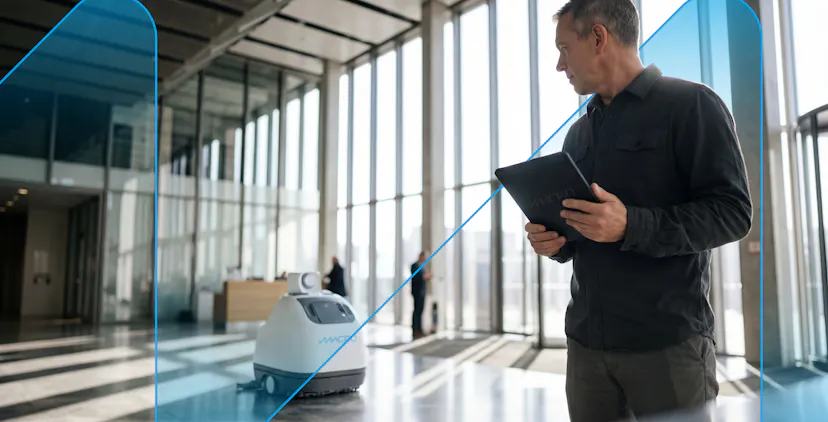
Managing Facilities across Global Portfolios: From Operational Complexity to Strategic Advantage
Exploring the evolving role of facilities management in supporting global real estates

PPN026: A Macro Perspective on the UK's Revised Social Value Model
Macro explores the impact of PPN026, the latest update to the UK Government's Social Value Model. Effective from January 2027.