
Perspectives

The importance of facilities management
Facilities management rarely attracts attention when it’s working well. Buildings stay open, systems run reliably, and people are able to focus on their work without interruption.
When it fails, however, the impact is immediate, from safety risks and service disruption to frustration, lost productivity and rising costs. For those working in facilities management, this reality shapes the discipline. It is a profession rooted in responsibility, problem-solving and a genuine desire to make a meaningful difference for people and businesses.
That role has become significantly more complex in recent years. Hybrid working patterns, ageing estates, cost pressures, regulatory scrutiny and rising ESG expectations have fundamentally changed what organisations require from their physical environments.
Facilities management brings together people, place, process and technology to meet these demands. Covering both hard and soft services, FM provides the structure that allows organisations with offices, operational sites or physical assets to operate safely, efficiently and sustainably.
This article explores why facilities management is so important today, and how a strategic, insight-led approach, grounded in how we work, delivers lasting value.
What is facilities management and why does it matter?
Facilities management is the coordinated management of buildings, infrastructure, services and workplaces to ensure they function effectively in support of organisational objectives. It sits at the intersection of physical assets, operational processes and human experience.
In practice, FM spans several interconnected areas. Hard facilities management focuses on the technical and structural elements of buildings, including HVAC systems, electrical infrastructure, fire safety and building fabric. These services are critical to asset reliability, regulatory compliance and operational continuity. Soft facilities management covers services such as cleaning, security and catering, which directly influence safety, comfort and the everyday experience of building users.
Facilities management increasingly extends beyond traditional services to include workplace strategy, such as space planning, utilisation and support for hybrid working models. Alongside this, digital facilities management brings these elements together through CAFM systems, helpdesks and analytics, enabling performance monitoring, insight-led decision-making and strategic oversight across estates.
Historically, FM was often viewed as a reactive maintenance function. Today, it is recognised as a proactive, strategic discipline that supports performance, manages risk and enables long-term planning across complex portfolios.
For a deeper overview of the discipline, see our guide to facilities management explained and the distinction between hard vs soft facilities management.
Driving operational efficiency and reducing downtime
Facilities management plays a vital role in ensuring buildings and critical systems operate reliably day to day. Heating, cooling, power, lighting, lifts, safety systems and building fabric all require continuous oversight to function as intended.
Effective facilities management prioritises planned preventative maintenance over reactive repairs. By monitoring asset condition, scheduling maintenance and addressing issues early, FM reduces the likelihood of breakdowns and unplanned downtime. This approach minimises disruption to occupants, protects productivity and avoids the higher costs associated with emergency interventions.
In operational environments like offices, healthcare estates, education facilities and logistics sites, even short periods of downtime can have significant consequences. Facilities management provides the processes, coordination and technical expertise needed to maintain continuity, ensuring that buildings support operations rather than hinder them.
Cost control, budget certainty and smarter spend
Facilities management represents one of the largest controllable cost bases within most organisations, after people. Energy, maintenance, cleaning, security, compliance and repairs all contribute to ongoing operational expenditure, often across multiple sites and suppliers.
Rather than focusing on short-term cost cutting, effective FM supports cost predictability and smarter long-term spend. Integrated facilities management enables organisations to understand where money is being spent, why it is being spent and how value can be optimised over time.
This includes improving energy efficiency and utility optimisation to reduce consumption and exposure to price volatility; consolidating vendors and managing contracts more effectively to improve consistency and performance; and shifting from reactive fixes to lifecycle-based budgeting that aligns operational maintenance with capital planning.
By taking a portfolio-wide view, facilities management helps organisations make informed financial decisions, reduce waste and gain greater certainty over future costs, particularly important in periods of economic pressure and operational change.
Health, safety, compliance and risk management
Maintaining safe and legally compliant environments is a fundamental responsibility of facilities management. Buildings are subject to extensive regulatory requirements, and failure to meet them can result in serious legal, financial and reputational consequences.
Facilities management plays a central role in managing key risk areas such as fire safety systems and inspections, legionella control and water hygiene, asbestos management, and workplace health and safety checks. These activities require structured processes, specialist knowledge and consistent documentation.
Through planned inspections, clear audit trails and transparent reporting, FM supports regulatory compliance and audit readiness. This provides assurance to leadership teams, regulators and other stakeholders that risks are being managed appropriately.
In this context, facilities management functions as a critical risk management discipline, protecting people, assets and organisations while enabling operations to continue safely and compliantly.
Supporting employee productivity, wellbeing and experience
The condition and usability of the workplace have a direct impact on how people feel and perform at work. Cleanliness, comfort, air quality, lighting, acoustics and ease of use all influence wellbeing, engagement and productivity.
Facilities management shapes these everyday conditions. By maintaining hygienic environments, ensuring thermal comfort and supporting functional, well-designed spaces, FM creates the foundation for effective work. When facilities are poorly managed, the effects are quickly felt through distraction, frustration and reduced morale.
This role has become even more important in hybrid and flexible working environments. As organisations rethink the purpose of the office, facilities management supports workplaces that are safe, adaptable and genuinely valuable, encouraging collaboration, connection and purposeful attendance.
Well-managed facilities contribute to improved wellbeing, stronger engagement and positive perceptions of organisational care, reinforcing FM’s role in supporting both people and performance.
Sustainability, ESG and environmental responsibility
Facilities management is a critical enabler of environmental, social and governance (ESG) strategies. Buildings account for a significant proportion of energy use, carbon emissions and resource consumption, placing FM at the centre of sustainability performance.
From an environmental perspective, facilities management supports energy reduction, carbon tracking, waste management and water efficiency initiatives. These activities help organisations lower emissions, improve resource efficiency and meet regulatory and reporting requirements.
Facilities management also contributes to the social dimension of ESG by maintaining safe, healthy workplaces that support wellbeing and inclusion. From a governance standpoint, FM underpins compliance, audit readiness and transparent reporting, reducing organisational risk and strengthening accountability.
As ESG expectations continue to rise, facilities management provides the operational capability and data needed to translate sustainability ambition into measurable, credible action.
Asset longevity and lifecycle management
Buildings and infrastructure represent significant capital investments. Facilities management protects these assets by ensuring they are maintained, monitored and renewed in a planned and structured way.
Lifecycle management focuses on extending asset life, reducing premature failure and avoiding costly emergency replacements. By understanding asset condition and performance over time, FM supports informed capital planning and aligns operational decisions with long-term business strategy.
This approach improves resilience, supports sustainability objectives and ensures that assets continue to deliver value throughout their lifespan.
Strategic value, resilience and business continuity
Facilities management increasingly operates as a strategic partner to leadership teams. Beyond day-to-day operations, FM contributes to organisational resilience and business continuity planning.
Whether responding to emergencies, managing occupancy changes or supporting new ways of working, facilities management provides the operational backbone that allows organisations to adapt without compromising safety or performance. Clear processes, reliable data and coordinated delivery enable faster, more confident decision-making during periods of disruption.
In this way, FM supports not only operational stability, but long-term organisational resilience.
The role of data-driven and digital facilities management
Digital tools have transformed how facilities management is delivered and governed. CAFM systems, helpdesks and analytics platforms provide real-time visibility into performance, response times and compliance.
Traditional FM models were often reactive, with limited visibility and manual reporting. Data-driven facilities management enables predictive maintenance, live performance insight and automated reporting, supporting faster response and clearer accountability.
Macro’s fm24 help desk supports this shift by enabling insight-led decision-making and proactive performance management across estates, helping organisations move from reactive issue handling to strategic oversight.
Key takeaways
- Facilities management underpins operational efficiency, safety, compliance and cost certainty across organisations of all sizes.
- When approached strategically, FM supports employee wellbeing, sustainability goals, asset longevity and long-term resilience.
- A data-led, integrated approach enables organisations to move beyond reactive maintenance towards informed, proactive decision-making.
Learn more about Macro’s approach to facilities management or explore further insight on the Macro Group website via our perspectives hub.
More perspectives
Why Great FM Strategies Fail During Execution: Amanda Muzzarelli Joins IFMA's Connected FM Podcast
Macro's Amanda Muzzarelli joins IFMA's Connected FM podcast to discuss institutional knowledge, psychological safety and leading FM teams through execution.
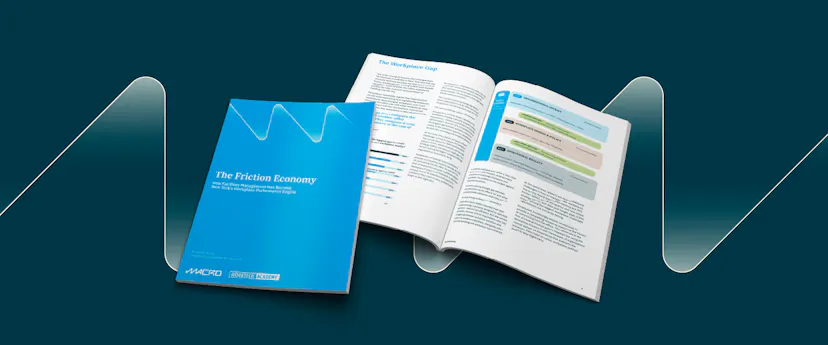
New opportunities for Facilities Management highlighted in The Friction Economy Report
Macro x WORKTECH Academy - The Friction Economy: how facilities management has become New York's workplace performance engine

Inside Macro’s Smart Building Solution - How We Deliver Intelligent FM
Discover Macro’s Smart Building Platform – combining IoT, AI, and digital twin technology to deliver predictive maintenance, energy efficiency, and people-focused spaces. Scalable, secure, and data-driven, our solution transforms facilities management with real-time insights, sustainability gains, and smarter operations.

Bringing brands to life: What makes a store feel like the brand? Patricia Soria & Lisa Holmes explain
Explore how facilities management helps retailers deliver consistent brand experiences, improve operational performance and support customer experience across complex retail estates.

From Reactive to Predictive: The Evolution of Smart Facilities Management
Facilities management isn’t being disrupted by new technology, it’s evolving through the better use of technology that already exists.
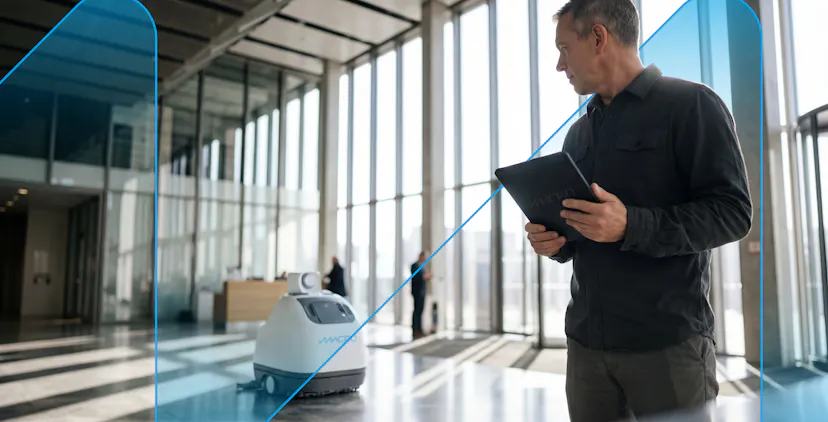
Managing Facilities across Global Portfolios: From Operational Complexity to Strategic Advantage
Exploring the evolving role of facilities management in supporting global real estates