
Perspectives
Bridging the gap: Finding the path between projects
By Tony Marroney, Operations Director, Macro
On Thursday 13 November 2025, Macro and M Moser welcomed workplace leaders, designers and operators to M Moser’s New York living lab for an evening dedicated to one important question: what happens between workplace projects, and why does it matter?
The event Bridging the gap: finding the path between projects brought together diverse perspectives from across the workplace ecosystem. The event explored how organisations can create stronger connections between design, operations and experience to improve performance throughout the full lifecycle of the workplace.
H2: What we explored
During the session, Grant Christofely (Director, Workplace Strategy at M Moser), Raquel Sachser (Design Director, M Moser New York) and Tony Marroney (Operations Director, Americas, Macro) led a conversation on the growing complexity organisations are navigating today, from shifting capacity and evolving mandates to rising expectations around employee experience.
Together, they explored how these pressures are reshaping the workplace lifecycle and why a more integrated approach to planning, decision-making and long-term operations is becoming essential.
Attendees gained practical insights and tools to help them:
- Connect design, operations and experience at every phase of the workplace lifecycle
- Manage capacity and demand in a way that supports both people and performance
- Make long-term, data-informed choices that strengthen portfolio resilience
- Identify opportunities in the “in-between moments” where value can be created long after a project is delivered
H2: What we learned together
The conversations highlighted several important themes:
- Integration drives better outcomes. When designers, operators and experience teams collaborate early and continuously, organisations achieve more sustainable workplace results.
- Organisations and their decision-making are often complex. Create very clear and consistently used decision-making frameworks keeps complexity from becoming complicated and detrimental to delivery.
- Flexibility is becoming essential. With workplaces evolving rapidly, the ability to respond to changing needs between projects is now a competitive advantage.
- Post-project decisions shape long-term success. The period after a project often determines whether the intended value is realised, making operational feedback and continuous improvement vital.
Looking ahead
We are grateful to everyone who joined us and contributed to such a thoughtful and energising evening. Events like this reinforce the importance of bridging the gap between facilities management and workplace experience, ensuring that workplaces not only look good on day one, but continue to perform long after the project moment.
We look forward to continuing the conversation and exploring how together we can build workplaces that adapt, evolve and deliver long-term value.
More perspectives
Why Great FM Strategies Fail During Execution: Amanda Muzzarelli Joins IFMA's Connected FM Podcast
Macro's Amanda Muzzarelli joins IFMA's Connected FM podcast to discuss institutional knowledge, psychological safety and leading FM teams through execution.
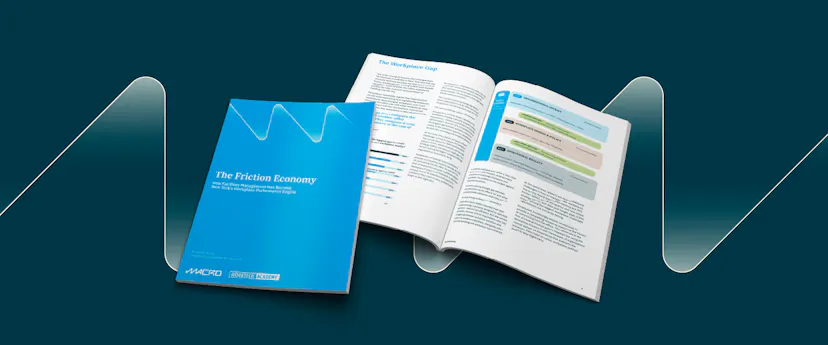
New opportunities for Facilities Management highlighted in The Friction Economy Report
Macro x WORKTECH Academy - The Friction Economy: how facilities management has become New York's workplace performance engine

Inside Macro’s Smart Building Solution - How We Deliver Intelligent FM
Discover Macro’s Smart Building Platform – combining IoT, AI, and digital twin technology to deliver predictive maintenance, energy efficiency, and people-focused spaces. Scalable, secure, and data-driven, our solution transforms facilities management with real-time insights, sustainability gains, and smarter operations.

Bringing brands to life: What makes a store feel like the brand? Patricia Soria & Lisa Holmes explain
Explore how facilities management helps retailers deliver consistent brand experiences, improve operational performance and support customer experience across complex retail estates.
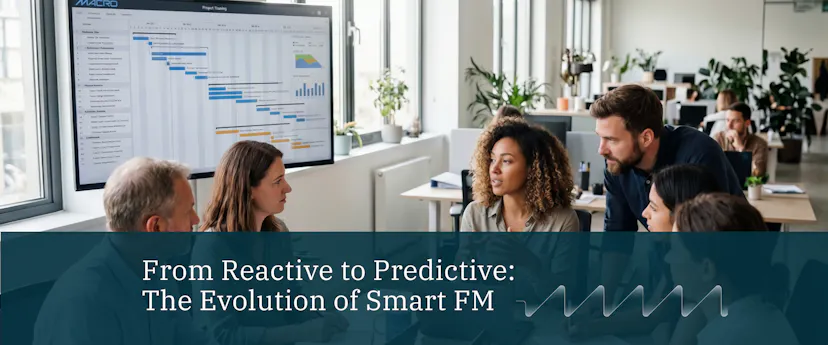
From Reactive to Predictive: The Evolution of Smart Facilities Management
Facilities management isn’t being disrupted by new technology, it’s evolving through the better use of technology that already exists.
Managing Facilities across Global Portfolios: From Operational Complexity to Strategic Advantage
Exploring the evolving role of facilities management in supporting global real estates